Is there a right way to drink Scotch? Is mixing it with Coke or ginger ale a crime?
Advert
Experiences
Is there a right way to drink Scotch? Is mixing it with Coke or ginger ale a crime?
Co-ordinate to Andrew Jefford, author of Whisky Island: A Portrait of Islay and its Whiskies, it is not. Jefford also makes the point that neither grain whisky nor blended whisky is inferior to malt whisky; they're merely dissimilar.
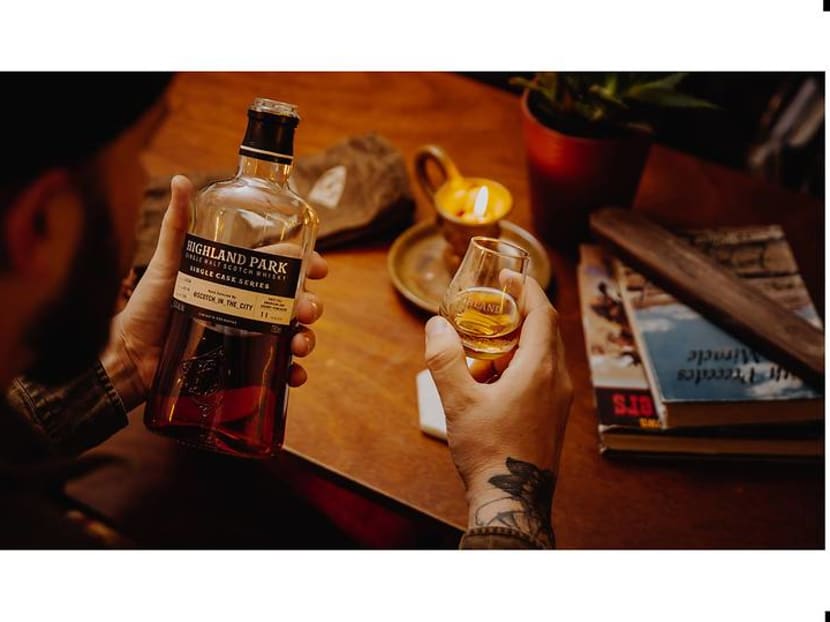
Scotch is sodden with Scotland: Pipes, heather and curlew's call rendered liquid. How best to arroyo it? (Photo: Unsplash/Taylor Brandon)
The whisky family is vast and unruly. It tin can't even decide how to spell its ain proper name: whisky in Scotland, Nihon and Canada; whiskey in Ireland and (more often than not) in the US. Problems of definition bedevil international comparisons. For example, the product described equally whisky by Bharat'south elephantine spirits industry is largely derived from molasses, and then would traditionally exist classed as rum; Japanese whisky, meanwhile, may contain spirit distilled in Scotland. The complexity of grain use and distilling methods in Canada and the Usa crave patient study to decode.
Scotch, by contrast, is simple. Almost. Information technology comes into beingness in Scotland, every drop. It must be oak-cask aged for at least three years in moody Scottish airs before bottling, and it cannot exist bottled at less than 40 per cent ABV (alcohol by volume).

READ> Across Hibiki and Yamazaki: Alternative Japanese whiskies you should know
What, though, is whisky? Information technology'due south distilled beer, simply equally brandy is distilled wine. If y'all buy a Scotch malt whisky, and so that beer will have been brewed from malted barley alone, and double distilled sequentially in two pot stills. Most Scotch, though, is composite whisky, a mixture of malt whisky and grain whisky (which volition exist distilled from other cereals such as wheat in addition to barley, in continuously running cavalcade stills). More of this in a moment.
It'southward hard to underestimate the importance of Scotch whisky – the global whisky benchmark – both to Scotland and to the Britain. In 2019, it deemed for 75 per cent of all Scottish food and drink exports, and 21 per cent of the United kingdom's. Identity and nationality elide in a unmarried word, without further qualification, making it hard to think most the potable without thinking about the wild, wet, lonely and oft remote places in which it comes into being. Scotch is sodden with Scotland: Pipes, heather and curlew'due south telephone call rendered liquid. How best to approach information technology?
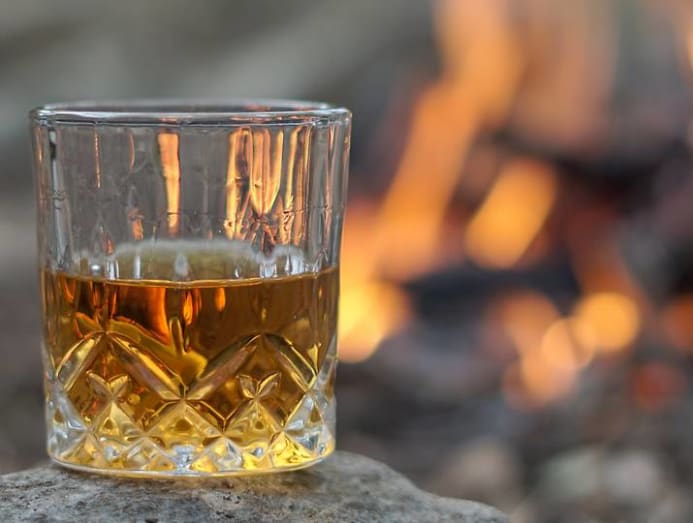
Unfussily. Not everyone enjoys the tongue fire consequent on sipping neat spirits at twoscore per cent ABV – and it's not obligatory. One-half-and-one-half with water is how whisky is frequently drunk in Scotland: The water jug sits on the bar and every dram-taker adds what they volition.
Mixers similar ginger ale or Coke mingle the taste of Scotch with flavours of alien origin, just it'southward not a crime. On the rocks is refreshing in warm weather and the ice rings musically in the glass. The outset sip, though, is the strongest and the last the weakest; you might wish it the other fashion effectually. If yous see the words Cask Strength on a label, water is essential: Cask strength can mean 55 per cent ABV or more. More anaesthetic than burn.
READ> In adept spirits: Meet Malaysia'due south offset independent whisky bottler with a cult following
There'southward a tangle of misconceptions about grain, malt and blends. What is true is that, because of the cost of ingredients and the efficiency of its distilling process, grain whisky can be produced more cheaply than malt whisky and that information technology's distilled to a college initial strength, and thus contains fewer impurities or "congeners". These are the distilled compounds that bring olfactory property and flavour to whisky. (Carry on distilling to e'er college strengths and y'all'll end upwards with vodka.) Neither grain whisky nor blended whisky, though, is junior to malt whisky. They're different.
Malt whisky offers the most flavour, impact and personality, and the greatest Scotch malts are true pinnacles. So, though, are the greatest Scotch blends. Equally in humans, so in spirits: Forcefulness of personality lone isn't always attractive.

Some single malts are wearisome, others repellent: They have use in blends, where the blender may want to lay hands on something a picayune dry, ascetic or biting to balance out fatter or sweeter elements, just they don't e'er merit bottling on their own.
If subtlety, dash and the consumable tenderness nosotros call "drinkability" are your ethics – equally they mostly are for those who treasure mature examples of the earth's finest wines – then you may find these qualities more easily in Scotch blends than in Scotch malts. The two styles are unquestionably peers.

Few potable categories have seen the explosion of choice that has characterised Scotch of tardily. Why and so many variants? Scotch is consummately marketed: Its devilishly inventive blueprint, storytelling and spell-weaving is unrivalled by whatsoever other potable category, though gin is communicable upward fast. Sheer size of production helps. But at that place is another cistron: The latitude allowed by its ageing requirements.
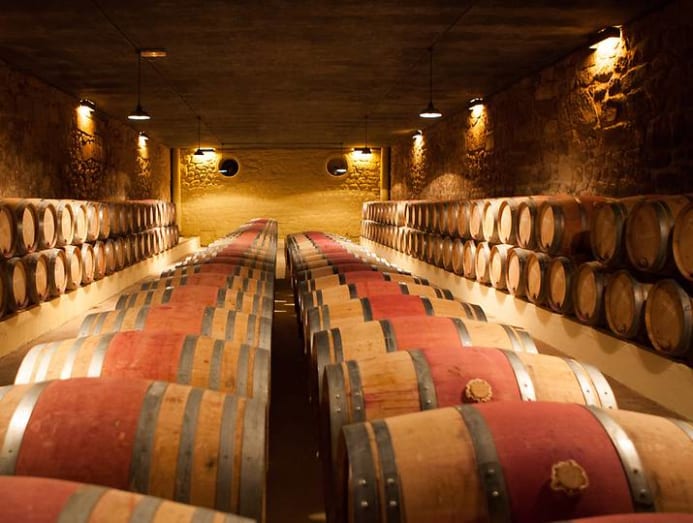
All of the flavours I accept alluded to so far are derived from raw ingredients, from brewing and from distilling, only much (perhaps as much) of the personality of Scotch comes from its complex ageing processes. If, like the U.s.a.'s bourbon whiskey, all Scotch had to be anile in new charred white-oak casks, this diverseness might not be possible.
READ> 8 classic single malts that every whisky enthusiast should know
Aside from "iii years in oak casks", no further legal stipulation is fabricated of distillers. Almost all Scotch is consequently aged in a wide variety of second-mitt casks of different sizes, shapes, ages and levels of impact, including numerous exotic "finishes" in casks that accept formerly held beers, wines or other spirits, as well as traditional ex-bourbon and sherry casks. Subtle oxidation in those moody Caledonian airs counts for much likewise: Casks are mostly non topped up during the ageing wheel.
The final element fuelling so much selection is an enthusiastic clientele: The multiple iterations of Scotch evidence magnetic to the collecting psyche. The record prices achieved in contempo years by rare one-time bottles (£825,000; S$1.5 million for a bottle of lx-Twelvemonth-Old Macallan Valerio Adami 1926 in February 2020, for example) are shocking: In dissimilarity to wine, no whisky improves in one case bottled. Information technology is rarity above all that is eliciting these bids.

One pleasure of Scotch malts that blends cannot emulate are regional styles – though the term is a contentious one. In nigh cases, there is nil intrinsically regional about barley sources, still shapes, distilling practices and oak-ageing regimes, which is where most of the flavour in a malt comes from; the influence of water, air and local craft traditions and practices is hard to quantify, and is likely to be muted.
That said, the malted barley for many Islay malts is traditionally peat-treated during drying, giving them an unmistakable smoky wildness: A genuinely prominent tone.
Lowland malts, for whatever reason, seem to have a gentleness to them; while Speyside malts, the most voluminous category, oftentimes have a effulgence, a forthrightness and a pungency, though there are distinguished Speyside distilleries that exercise not fit this pattern today (like The Glenlivet, with its softness and creaminess).
Highland malts and malts from islands other than Islay are far-flung and individual, though often fine; the intricate malts of piffling Campbeltown'southward iii distilleries also defy generalisation. The validity or otherwise of regional styles in Scotch malt does, though, brand for a thousand argument. Over a dram or 2, of course.
Five great-value Scotch blends
- Ballantine's Blended Scotch Whisky Aged 17 Years
- Chivas Regal 18 Yr Quondam
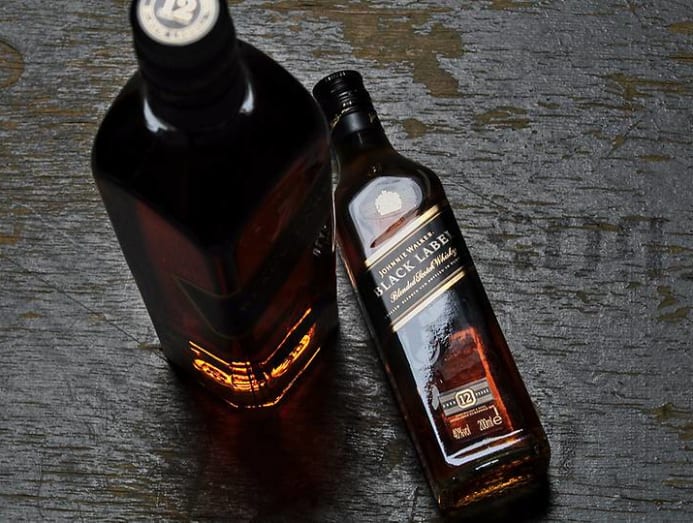
- Johnnie Walker Blackness Label 12 Year Quondam
- Johnnie Walker Gold Characterization Reserve
- The Naked Bickering Blended Malt
Five bully Scotch malts (multiple expressions)
- Glenfiddich, Speyside
- Highland Park, Orkney
- Lagavulin, Islay
- Macallan, Speyside
- Springbank, Campbeltown
Andrew Jefford is the author of Whisky Island: A Portrait of Islay and its Whiskies
By Andrew Jefford © 2022 The Financial Times
READ> Singapore's drink scene is bubbles with new options to savour fine spirits

Contempo Searches
Trending Topics
granthamexciation1974.blogspot.com
Source: https://cnalifestyle.channelnewsasia.com/experiences/is-there-a-right-way-to-drink-scotch-whisky-251646
0 Response to "Is there a right way to drink Scotch? Is mixing it with Coke or ginger ale a crime?"
Post a Comment